


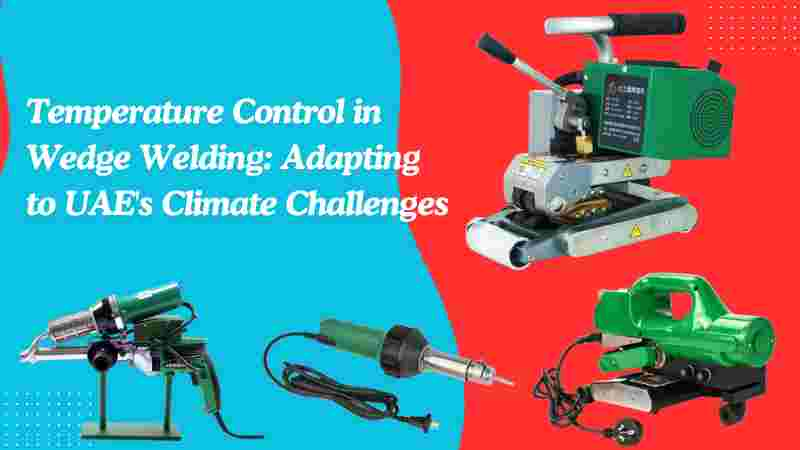

The United Arab Emirates presents one of the world’s most extreme thermal environments for industrial operations. Summer temperatures routinely exceeding 50°C, intense solar radiation capable of heating exposed surfaces beyond 70°C, and dramatic day-night temperature swings create unprecedented challenges for thermoplastic welding processes. Wedge welding, which relies on precise temperature control to achieve molecular fusion between membrane materials, becomes particularly demanding in these conditions where ambient heat affects every aspect of the welding process from material handling to equipment performance. This comprehensive guide examines the temperature control challenges specific to UAE operations and provides practical strategies for achieving consistent, high-quality welds despite the region’s climatic extremes.
Understanding Temperature’s Critical Role in Wedge Welding
The Thermoplastic Welding Process
Wedge welding creates permanent bonds through carefully controlled heating and pressure application:
Melting Zone Creation: The heated wedge elevates thermoplastic material temperature to its melting point, creating a viscous zone where molecular chains become mobile. Different materials have distinct melting ranges—PVC (polyvinyl chloride) softens around 160-180°C, TPO (thermoplastic polyolefin) requires 180-200°C, while HDPE (high-density polyethylene) demands 200-260°C for proper fusion.
Molecular Interdiffusion: At proper temperatures, polymer chains from adjacent membrane layers intermingle, creating molecular bonds as strong as the base material. This interdiffusion requires sufficient heat to achieve adequate chain mobility while avoiding excessive temperatures that degrade material properties or cause thermal damage.
Cooling and Solidification: As welded material exits the heated wedge zone, pressure rollers consolidate the joint while cooling begins. Controlled cooling allows molecular chains to reorganize into stable configurations creating permanent bonds. Rapid or uneven cooling can create internal stresses compromising long-term seam integrity.
Temperature Process Window
Each thermoplastic material has a specific temperature range producing optimal welds:
Lower Limit: Insufficient heat results in inadequate molecular mobility preventing proper fusion. Welds appear bonded but lack true molecular intermixing, failing under stress during peel testing or field service.
Upper Limit: Excessive heat causes material degradation, creates excessive melt that squeezes out under roller pressure (losing material from the seam), or produces welds with degraded properties despite appearing acceptable visually.
Optimal Range: The target welding temperature typically sits near the center of the acceptable range, providing margin for minor variations while ensuring consistent quality. For most materials, this optimal window spans only 15-25°C, requiring precise control particularly important in variable UAE conditions.
UAE Climate Impact on Welding Temperature Control
Ambient Temperature Extremes
Dubai and other UAE locations experience thermal conditions that dramatically affect welding operations:
Summer Heat: June through September brings sustained temperatures above 40°C, with frequent periods exceeding 45°C. Direct sun exposure elevates surface temperatures far higher—rooftop membrane surfaces can reach 65-75°C before welding begins, while equipment housings absorb similar heat loads affecting internal component temperatures.
Seasonal Variation: Winter months (December through February) offer more moderate conditions, with daytime temperatures typically 20-30°C and occasional mornings below 15°C. This 30-40°C seasonal swing requires significant parameter adjustments maintaining consistent weld quality year-round.
Daily Fluctuation: Even within single days, temperatures may vary 20-25°C between early morning starts and midday peaks. Welding operations beginning at 6:00 AM in 18°C conditions face drastically different thermal environment by 10:00 AM when temperatures reach 38°C.
Material Pre-Heating Challenges
Membrane materials stored or staged at worksites absorb ambient heat:
Summer Material Temperatures: Membrane rolls sitting in direct sunlight can reach internal temperatures of 50-60°C, substantially above typical material handling temperatures. This pre-heating significantly affects required welding parameters—material already at 55°C requires far less heat input than material at 25°C.
Handling Difficulties: Hot membranes become excessively flexible, making accurate positioning difficult. Material tends to stick to itself or underlying surfaces, complicating overlap preparation and alignment critical for quality welds.
Contamination Susceptibility: Hot, tacky membrane surfaces attract and retain dust particles that compromise weld quality if not removed immediately before welding. UAE’s ubiquitous dust creates continuous contamination challenges exacerbated by material pre-heating.
Equipment Thermal Management
Welding machines themselves struggle with heat absorption:
Electronic Component Stress: Control boards, temperature sensors, and digital displays within equipment housings face elevated temperatures potentially affecting accuracy and reliability. Components designed for 40°C maximum ambient temperature may encounter 50-55°C environments inside housings heated by external conditions and internal heat generation.
Calibration Drift: Temperature sensors and control systems can experience calibration changes when operating at thermal extremes. A system calibrated at 25°C ambient might read 5-10°C differently at 45°C ambient, creating quality problems if operators rely on displayed values without field verification.
Operator Heat Stress: Perhaps most significantly, extreme heat affects operator performance and judgment. Concentration lapses from heat fatigue lead to parameter selection errors, inadequate quality monitoring, and increased accident risk—human factors that indirect affect temperature control outcomes.
Adaptive Temperature Control Strategies
Pre-Operation Assessment and Preparation
Successful UAE welding begins with thorough environmental evaluation:
Material Temperature Measurement: Use infrared thermometers or contact probes measuring actual membrane temperature before establishing welding parameters. Don’t assume material is at ambient temperature—direct sun exposure creates substantial elevation requiring compensation.
Equipment Stabilization: Allow equipment to reach thermal equilibrium with working conditions before beginning production welding. Machines moved from air-conditioned storage to 45°C rooftops need 15-30 minutes stabilizing, during which temperature readings may drift substantially.
Test Weld Protocols: Conduct test welds using actual project materials and current environmental conditions, adjusting parameters until peel tests confirm adequate seam strength. These test welds establish baseline parameters for production work, accounting for all current variables affecting the process.
Continuous Monitoring: Establish systematic temperature monitoring throughout work sessions, rechecking parameters every 30-60 minutes or whenever environmental conditions change noticeably. Temperature settings producing quality welds at 7:00 AM may prove inadequate or excessive by 10:00 AM as conditions evolve.
Temperature Parameter Adjustment Guidelines
Systematic approaches to parameter modification ensure consistent quality:
Baseline Establishment: Using manufacturer recommendations as starting points, develop baseline parameter sets for different materials, ambient temperature ranges, and typical working conditions. Document these baselines creating reference guides for operators facing similar conditions in future projects.
Incremental Adjustments: Change welding temperatures in small increments (5-10°C) rather than large jumps, conducting test welds after each change. This methodical approach prevents overshooting optimal settings while building understanding of how specific conditions affect requirements.
Multi-Variable Consideration: Temperature interacts with welding speed and pressure. Sometimes maintaining temperature while adjusting speed or pressure proves more effective than temperature changes alone. Slower speeds allow more time for heat transfer into pre-heated materials, while increased pressure compensates for slightly lower temperatures.
Documentation Practices: Record all parameter adjustments, environmental conditions, and test results. This data builds institutional knowledge supporting future operations while providing quality documentation satisfying increasingly stringent UAE project requirements.
Equipment Selection for Temperature Control
Advanced Temperature Management Features
Modern equipment offers capabilities specifically valuable for challenging environments:
Digital Temperature Control: Microprocessor-based controllers maintain precise temperature setpoints regardless of ambient conditions through sophisticated feedback loops. These systems automatically adjust heating element power output compensating for environmental variables that would affect simpler control systems.
Multi-Zone Heating: Advanced wedges incorporate multiple independently-controlled heating zones across their width, enabling temperature optimization compensating for uneven material pre-heating or thermal gradients across wide seams. This technology proves particularly valuable when one membrane edge receives direct sun exposure while the other remains shaded.
Temperature Compensation Algorithms: Premium equipment from leading manufacturers includes programming that adjusts control parameters based on ambient temperature inputs, reducing operator burden while maintaining consistency. Working with an experienced wedge welding machinery Dubai supplier ensures access to equipment incorporating these advanced capabilities designed for extreme environment operation.
Enhanced Cooling Systems: Equipment operating in UAE conditions requires robust cooling for electronic components. Look for machines with sealed, dust-resistant housings, dedicated cooling fans, and heat sinks protecting sensitive components from ambient heat that degrades performance and longevity.
Temperature Monitoring and Data Logging
Documentation capabilities support quality assurance and troubleshooting:
Real-Time Display: Clear digital displays showing current temperature, setpoint, and operational status enable operators to verify proper equipment function and identify developing problems before quality suffers.
Integrated Data Logging: Equipment recording welding parameters throughout operations creates permanent quality documentation increasingly required by UAE building authorities and sophisticated clients. These records prove invaluable for troubleshooting quality issues and demonstrating due diligence.
Alarm Systems: Temperature deviation alarms immediately alert operators when readings drift outside acceptable ranges, preventing production of defective welds that might otherwise continue unnoticed until testing reveals problems.
Material-Specific Temperature Considerations
PVC Roofing Membranes
PVC materials common in UAE commercial roofing have specific temperature characteristics:
Optimal Range: PVC typically welds well at 160-180°C wedge temperatures under moderate conditions. In UAE summer heat with material pre-heated to 50-55°C, reduce welding temperatures by 15-25°C maintaining proper fusion without over-melting.
Heat Sensitivity: PVC shows greater sensitivity to overheating than some other thermoplastics. Excessive temperatures cause yellowing, material degradation, and weak welds despite appearing properly fused. Conservative temperature approach with adequate testing ensures quality.
Plasticizer Considerations: PVC formulations contain plasticizers that can migrate under high temperatures, affecting surface characteristics and weld quality. UAE heat exacerbates plasticizer migration, making proper temperature control essential for long-term performance.
TPO Membranes
TPO roofing membranes increasingly popular in UAE applications require different temperature management:
Higher Processing Temperature: TPO’s 180-200°C optimal range requires more heat input than PVC, though pre-heated materials still necessitate substantial reduction from baseline parameters.
Narrower Process Window: TPO exhibits a narrower acceptable temperature range than PVC, demanding more precise control. The 10-15°C optimal window leaves little margin for error particularly important when environmental conditions create variables affecting actual material temperatures.
White Membrane Reflectivity: TPO’s typically white surface reflects solar radiation better than darker materials, resulting in somewhat lower material pre-heating though temperatures still reach 40-50°C in direct UAE sunlight requiring parameter adjustment.
HDPE and LLDPE Geomembranes
Polyethylene materials used for waterproofing and containment applications present distinct challenges:
High Processing Temperatures: HDPE requires 220-260°C welding temperatures, substantially higher than roofing membranes. This elevated baseline creates larger absolute adjustments when compensating for UAE conditions—a 25°C ambient temperature increase might require 30-40°C welding temperature reduction.
Thickness Variables: Geomembranes range from 0.5mm to 3.0mm thickness, with thicker materials requiring additional heat for adequate through-thickness fusion. Pre-heated thick membranes in UAE summer conditions create complex parameter optimization requiring systematic testing.
Black Material Heat Absorption: Most HDPE geomembranes are black, maximizing solar heat absorption. Summer material temperatures can exceed 60°C creating extreme pre-heating requiring substantial welding temperature reduction and careful quality monitoring.
Seasonal Operation Protocols
Summer Operations (June-September)
Peak heat months demand specific adaptations:
Early Morning Scheduling: Plan critical welding operations for early morning hours when temperatures are lowest and materials haven’t absorbed extreme heat. Starting at 5:30-6:00 AM allows several hours of work in relatively moderate conditions before midday heat becomes overwhelming.
Shade Creation: Where feasible, provide temporary shading for work areas and material storage reducing solar heat absorption. Simple shade structures using tarps or temporary roofing can reduce material temperatures by 10-15°C significantly easing temperature control challenges.
Frequent Parameter Reassessment: Check and adjust welding parameters every 30-45 minutes as conditions change rapidly during summer mornings. What works at 6:00 AM will likely need adjustment by 9:00 AM as temperatures climb and sun angle changes.
Operator Rotation: Implement frequent breaks and operator rotation preventing heat fatigue that impairs judgment and quality consciousness. Well-rested operators make better decisions about parameter adjustments and identify quality issues before they become significant problems.
Winter Operations (December-February)
Cooler months present different challenges:
Cold Start Procedures: Morning temperatures below 15°C require additional warm-up time for equipment and may necessitate increased welding temperatures compensating for rapid heat loss from membranes to cool ambient air.
Midday Optimization: Winter midday temperatures in 25-30°C range often provide optimal conditions for UAE welding operations—mild enough to avoid extreme heat challenges while warm enough for efficient material handling and good process control.
Wind Consideration: Winter brings stronger winds that increase heat loss from welding zones, potentially requiring temperature increases or speed reductions compensating for enhanced cooling. Monitor wind conditions and adjust parameters accordingly.
Complementary Technology Considerations
Comprehensive thermoplastic welding programs utilize multiple technologies requiring coordinated temperature management:
Hot Air Extrusion Welding: Detail work and repairs often require hot air equipment facing similar temperature control challenges. Organizations working with a quality extrusion welder UAE distributor should apply comparable temperature adaptation strategies ensuring consistent quality across all welding methods.
Overlap Welding: Some installations use overlapped seams with hot air welding at seam edges requiring temperature coordination between wedge and hot air equipment ensuring compatible thermal profiles across the complete joint.
Quality Verification Under Variable Temperature Conditions
Testing Protocol Adaptations
UAE conditions necessitate enhanced quality verification:
Increased Test Frequency: Conduct peel testing more frequently than minimum specifications require, particularly during temperature transition periods. Test every 150-200 linear meters rather than typical 300-500 meter intervals ensuring parameter adjustments maintain quality.
Non-Destructive Testing: Implement systematic non-destructive testing using air lance or vacuum box methods on 100% of production welds for critical applications. This comprehensive verification identifies problems before they result in field failures.
Environmental Documentation: Record ambient temperature, material temperature, and other environmental conditions alongside welding parameters and test results. This documentation enables pattern recognition linking specific conditions to quality outcomes, supporting continuous improvement.
Conclusion
Temperature control in wedge welding operations throughout the UAE demands systematic approaches accounting for the region’s extreme and variable thermal environment. The combination of sustained high ambient temperatures, intense solar radiation, dramatic diurnal and seasonal fluctuations, and demanding project schedules creates challenges that standard welding protocols developed for moderate climates cannot adequately address.
Success requires equipment with advanced temperature control capabilities, operators trained in environmental adaptation strategies, systematic monitoring and adjustment protocols, and organizational commitment to quality over expedience. While UAE conditions complicate thermoplastic welding, contractors who master these challenges develop competitive advantages through superior quality, reliability, and project efficiency that distinguish them in Dubai’s demanding construction marketplace.
By implementing the temperature control strategies, equipment selection criteria, and quality verification protocols outlined in this guide, UAE welding professionals can consistently achieve high-quality results despite working in one of the world’s most thermally challenging environments. The investment in proper techniques, equipment, and training pays continuous dividends through reduced rework, enhanced reputation, and the sustainable competitive success that comes from mastering the technical demands of this specialized field in extreme conditions.
